Skip to content
AI Development & Implementation

Your business, ready for the AI era.

Getting your business ready for tomorrow, today.

MapBuildImplementSecureTrainSupportMapBuildImplementSecureTrainSupportMapBuildImplementSecureTrainSupportMapBuildImplementSecureTrainSupport
A new era for business

AI is changing the rules.

In a short time, AI has changed the way businesses work, sell and serve their customers.

Everyone talks about it. Few have turned it into a system that runs day to day, saves real time and creates an edge over the competition.

The difference isn't the technology.
It's knowing how to apply it in your specific business.

AI is a big, complex world.

We make it simple.

You keep running the business. We make sure AI works for you.

How can we help?

Four areas. One path.

Each area stands on its own, and together they make a complete path:
from the first mapping to ongoing support.

01

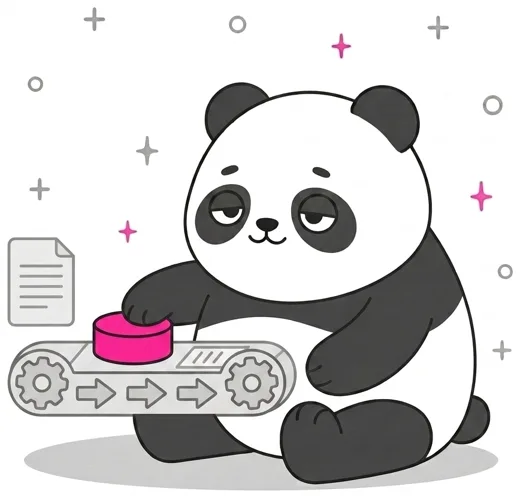
Strategy & mapping

We map your operations and define where AI accelerates the business goals: which processes, in what order, and with which solution.

02

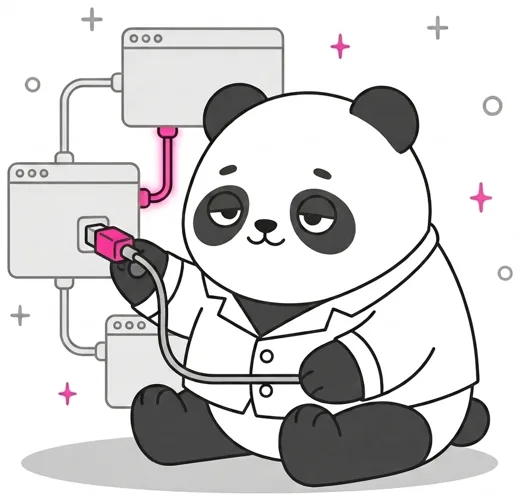
Build & implementation

We implement the solution, connect it to the systems you already run and embed it in the team, from a focused pilot to full day-to-day use.

03

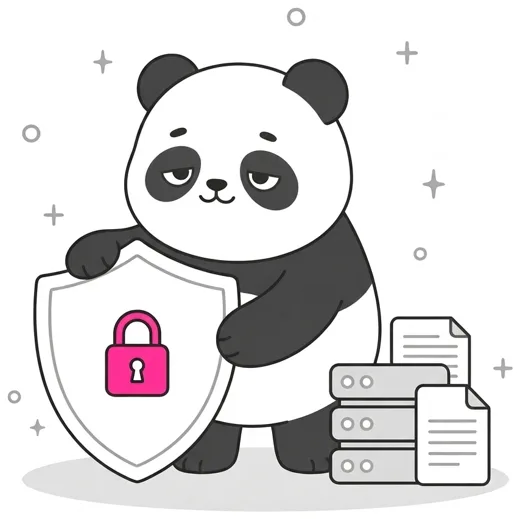
Security & risk

We handle data exposure, permissions and accuracy up front: what stays with you, who approves what, and where the line is.

04

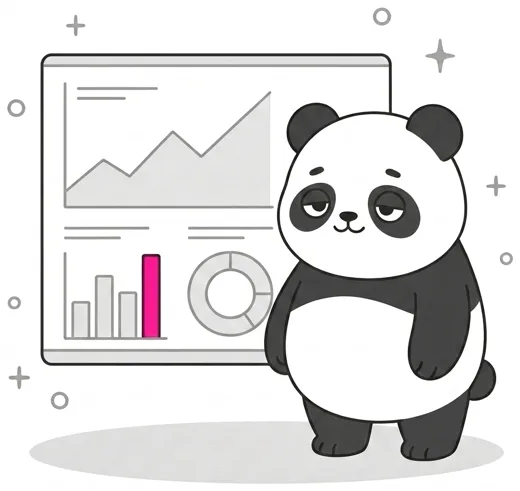
Training & support

We support the business after launch: team training, ongoing availability and continuous improvement, with someone accountable for keeping it working.

What sets us apart

From advice to implementation. No gaps.

01

We don't just advise. We implement.

From strategic advice to AI tools made for the exact need of the business. Consulting, implementation, integration, custom tools: all under one roof, without passing you between vendors.

02

We start from a real understanding of the need.

AI that stays in the daily routine starts with an accurate picture of how the business actually works: who does what, where things get stuck, and what is really worth changing. Without that, even the best tool is abandoned within a month.

03

The right balance of adoption effort, cost and value.

AI stays in use only when it is easy enough for the team, cheap enough for what it returns, and an exact fit for the process. For every process we find that balance point and choose the right tool for it, from a market of models and tools we track continuously.

The questions nobody asked you before selling you AI.

These are the questions that decide whether an implementation lasts a year or is abandoned after a month. With us they are part of the mapping, not a surprise after launch.

  1. Who handles model and tool updates, and how many times a year will that happen?
  2. What happens when a vendor changes its price, limits access or shuts a service down?
  3. How are hallucinations and inaccuracies caught before they reach a customer?
  4. Who approves an action that commits the business, and what is the system not allowed to do on its own?
  5. Where is the business's data stored, and who can see it?
  6. What does it really cost over time: setup, day-to-day use, maintenance and updates?
  7. How do you know, in numbers, that it really saves time and money?
  8. Who is responsible when something breaks in the middle of the night or over the weekend?
  9. Will the team actually use it, or will it be abandoned after a month?
  10. If we want to leave, what stays ours: the data, the connections, the rules?
Our method

We start from the business.
Not from the tool.

The process starts with a clear definition of what the business wants to achieve: where it earns, where it loses time, and what sets it apart from the competition. From that picture we map the areas where AI can drive real change: customer service, repetitive operational processes, sales and follow-up, and insights that let you decide quickly and with confidence.

The mapping becomes a plan tied directly to the business goals: the goals translated into measurable milestones, the use cases that create the most value at the lowest risk, and controls that guide the implementation over time.

That way, the investment in AI doesn't stay an experiment.
It becomes a lasting advantage for the business.

Examples from the field

One example, out of many.

An operations assistant, made for one business.

This isn't our product. It's what came out of one mapping and implementation process, for one business. For another business the solution looks completely different: a quiet automation, an internal tool, or a dashboard. Four more examples:

  • Private clinic: calendar, session summaries and collections
  • Independent studio: operations, quotes and payment follow-up
  • Productions and events: a live catalogue from a spreadsheet
  • Boutique winery: running the online store

More about the digital employee →

Security & infrastructure

Security from day one.

Fear of leaks and breaches is the number one reason businesses hold back from AI. With us, security is part of the mapping, not an add-on after launch: environment, identities, keys, encryption, backups and updates are set up before the system touches real data.

A dedicated environment for every business

A separate cloud environment for every client, isolated from every other business. Where needed, components stay inside the business.

  • Full separation between clients and between environments
  • Cloud or on-premises, by how sensitive the data is
  • High availability, no single point of failure

Identities, permissions and approvals

Every component identifies itself, gets only the permissions it needs, and any action that commits the business goes through human approval.

  • Role-based authentication and permissions
  • Least privilege for every component
  • Human approval for any committing action

Keys, secrets and encryption

Keys and secrets live in a secrets manager, not in the code and not in a chat. Data is encrypted in transit and at rest, and every action is logged.

  • Secrets management and key rotation
  • Encryption at every stage
  • Audit logs for every action

Backups, updates and operations

Automatic backups, timely model and tool updates, and continuous monitoring that spots a fault before your customer does.

  • Automatic backups and restore
  • Model, tool and security updates
  • 24/7 monitoring and incident handling
Pandas don't need to shout

What pandas don't do.

Most vendors will tell you what they do. We start from the other side — because that's what really separates what works from money wasted.

01

Pandas don't promise magic.

AI isn't magic. It's a tool that has to be implemented right.

02

Pandas don't work on a trial month.

Either we commit — or we don't.

03

Pandas don't push AI just for the buzz.

We implement only what saves time or earns its keep.

04

Pandas don't sit on a process that doesn't work.

If it doesn't pay back — it doesn't run.

05

Pandas don't lie about the numbers.

A monthly report, even when it's a headache.

FAQ

What people ask before they start.

  • How do you make sure the AI strategy really serves the business goals?
    We start from the goals, not the technology: what the business wants to achieve in the coming year, where it loses time and money, and what sets it apart from the competition. From there we map the processes where AI can drive real change, and prioritise them by value and risk. The result is a plan with measurable milestones: what gets implemented first, what gets measured, and when to expand. That way the investment is checked against a target set in advance, not against a feeling.
  • How does the implementation process work?
    The process covers mapping the needs, choosing the right solution for each process, a focused pilot on one process, integration with the systems the business already runs, and full implementation in the team's daily work. Every stage is measured before moving on to the next. Once the pilot works day to day, we expand.
  • Where is our data stored, and who controls what the AI does?
    Every business gets a separate environment, isolated from every other client. During mapping we define what stays inside the business, what moves to the cloud, and which permissions each component has. An action that commits the business, such as sending a message to a customer, issuing a document or changing a system, happens only with human approval. Controls for answer accuracy are set up too, so a mistake never turns into damage.
  • How will this affect our team?
    AI takes on the repetitive tasks: scheduling, documentation, follow-up, reports. The time that frees up goes back to work that needs judgement, a personal touch and selling. To make that happen in practice, the team gets training on the tools that were implemented and clear working rules: what the AI does on its own, what goes through a person, and how to report when something looks wrong.
  • What happens after launch?
    Launch is the start of the work, not the end. We keep supporting the business: ongoing monitoring, availability for questions and incidents, and improvements that come from real use. There's one address accountable for keeping the system working, even as the business changes.

All questions and answers →

Let's talk

Tell us about the business. Leave the rest to us.

A short intro call, no slide decks and no commitment.
We'll understand what the business needs, and tell you honestly whether and how we can help.